On this 14 days long program you will have the chance to discover what Hungary can offer in many aspects. Our country is a land of waters, has more than a thousand thermal water springs and has a landscape of rolling hills and plains, including the largest continuous grasslands in Europe. Besides the amazing nature, our culture is especially colorful and creative. Check out our program, and choose what you do not want to miss during your visit in Hungary.
Our offer for FIT travelers includes the following services:
-Accommodation for 13 nights with breakfast (in some hotels obligatory half-board is arranged)
-Basic type of car rental fee for 14 days
-Pick-up and drop-off fee of car at Budapest Airport
-VAT
-The chosen programs
Day 1 – Budapest, the capital city of Hungary
After landing, you pick up your car at the airport and drive to hotel to check in.
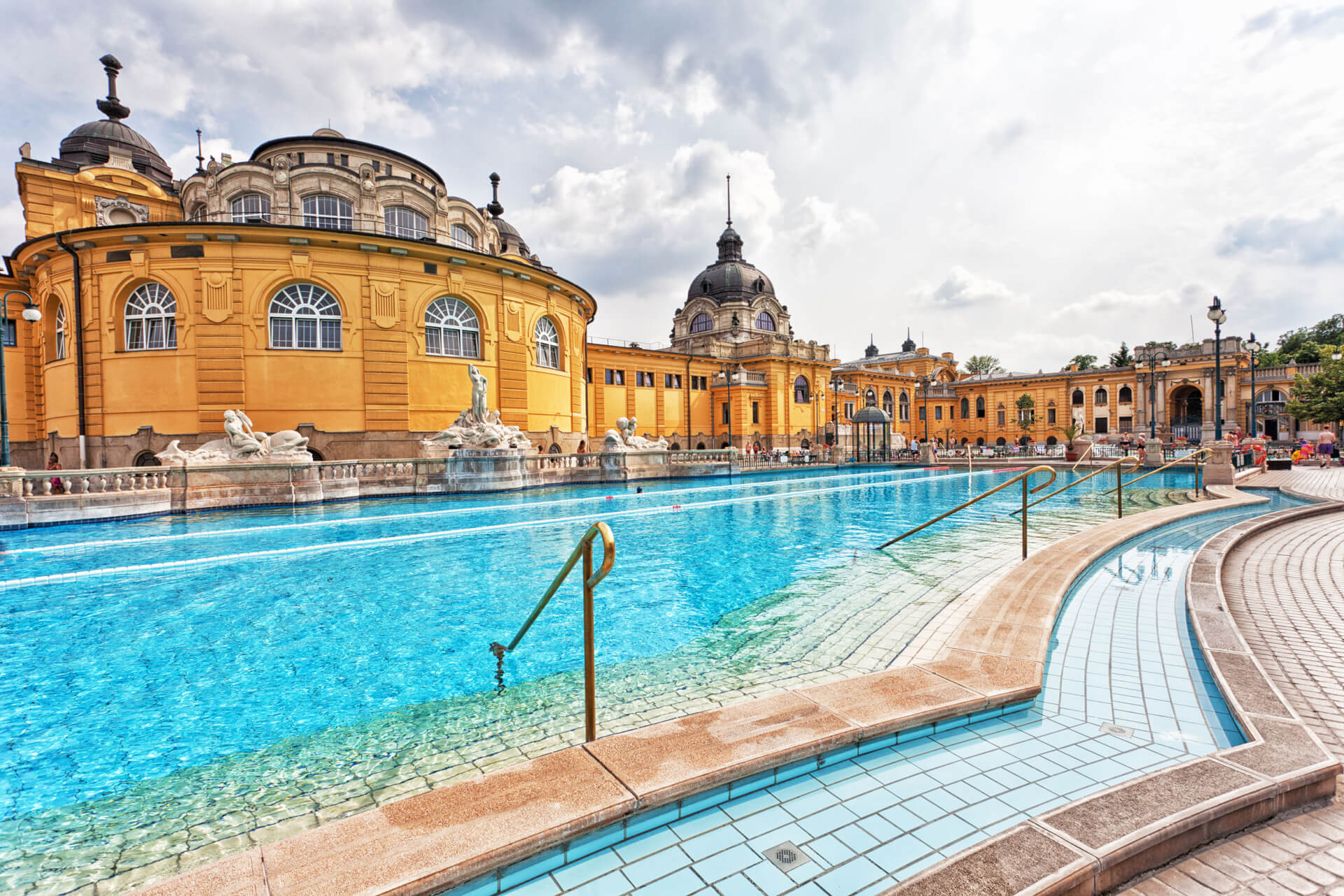
Budapest is the capital city of Hungary what deserves to be called a city with a living history. As a spa city, Budapest is more than the sum of its bathing facilities, as it offers a unique blend of Roman, Turkish and European bathing cultures. Budapest is no longer limited to restaurants, outdoor terraces, and coffee houses, but rather features a cuisine consisting of a blend of traditional Hungarian flavours and the latest dining trends.
Program opportunities:
Accommodation:
Four-star hotel in the edge of city center
Day 2 – Hollókő – Kékestető – Parádsasvár
Hollókő, a living museum village, is nestled in a picturesque hilly surrounding about 100 km from Budapest in the North of Hungary. The village has preserved the warm, person-centered, friendly atmosphere of the diminishing village-life of the accelerated XXI century. The ‘Old-village’ with its adjoining 141-hectare Nature Reserve was added to the WHO World Heritage in 1987 for preserving unique values of folk and applied art.
Kékestető offers a multitude of unique experiences all year long for those who enjoy hiking, active relaxation or just want some rest. The highest point in Hungary provides an excellent opportunity to admire the panorama of the Mátra and enjoy the special climate of the highland spa. The mountain peak and its surrounding area is the start and end point of more individual hiking trails.
Program opportunities:
-Hollókő:
-Kékestető:
Accommodation:
Four-star hotel in a centuries-old Debrői estate among the Mátra Hills
Day 3 – Sirok – Egerszalók – Eger
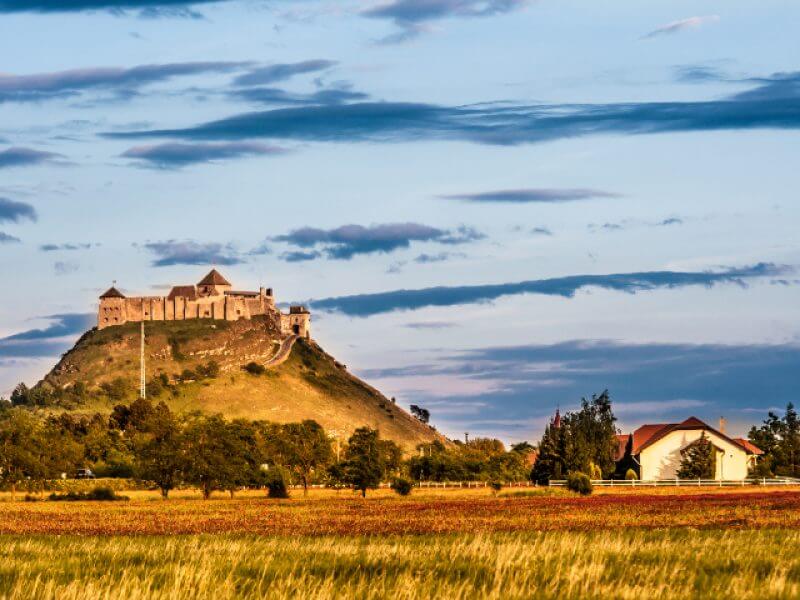
A medieval fortress of Sirok was scooped in and erected on top of the castle hill. Visitors can wander not only on the castle walls offering a splendid view on the neighbouring hills but also in the labyrinthine tunnel system carved in the hill. The huge ducts, stairs and halls formed in the belly of the rhyolitic tuff hill can also be explored. The period furnished rooms of the ethnographic village museum offer additional memorable experiences.
Egerszalók with its unique salt hill and outdoor pools surrounded by hills give a special calm and natural treatment for soul and body. It is worth passing a short time taking a rest in the thermal water in the middle of the nature. In the weekend you can enjoy the special atmosphere under the stars until midnight as well.
Strolling along the narrow cobblestoned streets meet cultural, historical, and natural sights in the picturesque baroque Eger where a handful of Hungarian warriors successfully defended the town’s fort against an Ottoman force of forty thousand in the year of 1552. The town still hides several Turkish monuments like Minaret, the ruins of Valide Sultana Bath and the Turkish Bath with medicinal water of radon content. The Basilica of Eger is considered as the second largest religious building in Hungary.
Eger is the home of the celebrated Egri Bikavér (“Bull’s Blood”) a blend of local red grape varieties. In the city center or at Szepasszony Valley can meet the winemakers and taste wines in the hundreds of years old cellars.
Program opportunities:
-Sirok:
-Egerszalók:
-Eger:
Accommodation:
Four-star hotel in the city center near to sights
Day 4 – Szomolya – Bélapátfalva – Szilvásvárad
Near Szomolya the so called beehive stones or beehive rocks can be found which are this area famous for. These rock formations, often naturally conical towers, with artificially carved niches or cavities into their sides. Thus, beehive rocks are valuable in both natural and cultural history aspects.
Above Bélapátfalva the white rocks of the mountain rose out of the vanishing primeval sea 100 million years ago. Driving up with a car or reaching the top with tracking, an unparalleled sight awaits us. 5km long educational trail starts from Cistercian Abbey and leads up to 815m high Bél-stone panorama point.
Szalajka-Valley is one the most popular excursion destination in Hungary. It can be visited with a narrow-gauge railway runs in the valley reaching the Szalajka fish pond at Szalajka spring where one of the mouth-watering local trout dishes can be tasted.
In Szilvásvárad the Stud Farm with of the Lipizzaner horses can be admired which are under national protection. The genetic value of the Hungarian stock of these horses is extremely high. Lipica Horse History Exhibition and Carriage Exhibition are open for tourists.
Program opportunities:
-Szilvásvárad – Szalajka Valley:
Accommodation:
Three-star hotel in Szalajka-Valley for 2 nights
Day 5 – Aggtelek Baradla Cave – Jósvafő
The Caves of the Aggtelek Karst and the Slovak Karst with its more than 1200 caves were declared part of the World Heritage by UNESCO in 1995. The total length of the Baradla-Domica Cave System measures 25 km of which a 5.3 km (3.3 mile) long section is lying on the Slovakian side. Due to its length, activity and richness in cave formations. The Baradla Cave is undisputedly the most remarkable cave in this entire temperate zone.
Jósvafő is the center of the hucul stud with 200 individuals. The stalled stud can be seen all year round on the pastures about 1.5 km north of Jósvafő. Horseback riding is available in the area of the Kúria Equestrian Base in Jósvafő.
In the edge of the village, is one of the blueest lakes in the country, Jósvafő Tengerszem / Jósvafő Montbretia can be found. Its beautiful color is due to the expansive clean springs. Salamanders are also live in this place.
Program opportunities:
-Aggtelek:
-Jósvafő:
Day 6 – Lillafüred, Miskolctapolca
Lillafüred, a holiday resort surrounded by one of the most beautiful natural environments in Hungary. A neo-renaissance-style castle hotel with the terraced gardens and park, the Hámori lake, the Lillafüred waterfall, the Anna-Cave, the St. Stephan Cave, and the Szeleta Cave are the most outstanding spots to spend a relaxing day among natural creatures. From Lillafüred a cable car takes above the resort area of Miskolc to admire the view.
Miskolctapolca with the nature-carved cave bath is a unique sight to discover and enjoy the warm karst water from the depths of the mountain. In the Star Hall under the dome-shaped star map, creating an effect as if we were under the open sky. The Roman Hall evokes the atmosphere of ancient Roman baths, while a bridge spans the pool of the Bridge Hall.
Program opportunities:
-Lillafüred:
-Miskolctapolca:
Accommodation:
Four-star hotel nestled in the Bükk Mountains
Day 7 – Lake Tisza, Hortobágy
Lake Tisza is the second largest lake in Hungary and its open water surface is mosaically cut by islands, backwaters, shallow canals. The shores of the lake offer an excellent destination only for relaxing holidays but also for green travellers can find many activities such as educational trails, boat adventures and excursions to immerse in natural beauty of the area.
The Hortobágy National Park, an almost flat landscape is the biggest Hungarian national park to date, also a world heritage, a Ramsar site and a Biosphere Reserve. A large chunk of the national park is a silver tiered Dark Sky Park. Europe’s largest contiguous grassy wasteland still preserves memories of the old shepherd’s world. Even today we can see a herd of grey cattle grazing peacefully in Hortobágy, galloping horses and foals, shepherds herding sheep flocks, boom wells nodding lonely, we can explore the countryside in a horse-drawn carriage, or we can even go on a wilderness safari to spy the endless horizon.
Program opportunities:
-Tiszafüred:
-Poroszló:
-Hortobágy:
Accommodation:
Four-star hotel at Lake Tisza
Day 8 – Lake Velence
Lake Velence is the third largest natural lake in Hungary. Thanks to its favorable natural and geographical conditions, it is one of the most popular resorts in Hungary. Its area is 26 km² and a third of the surface is covered with reeds. The lake awaits tourists not only with water sport possibilities but also with many hidden natural treasures to know them closely via programs like a romantic boat tour at sunset, biking around the lake, hiking in the mountains.
The “Wobbly rocks” are granite-rock-formations on the northern side of Pákozd village. The granite-rocks had an erosion of the surface and now some of them stands only on the edge having a small movement but not rolling away, only wobbling. “Granite” educational track connects the several stone forms, and it is accessible on foot by tourists as well.
Program opportunities:
-Lake Velence:
Accommodation:
Four-star hotel at Lake Velence
Day 9-10 – Balaton Uplands
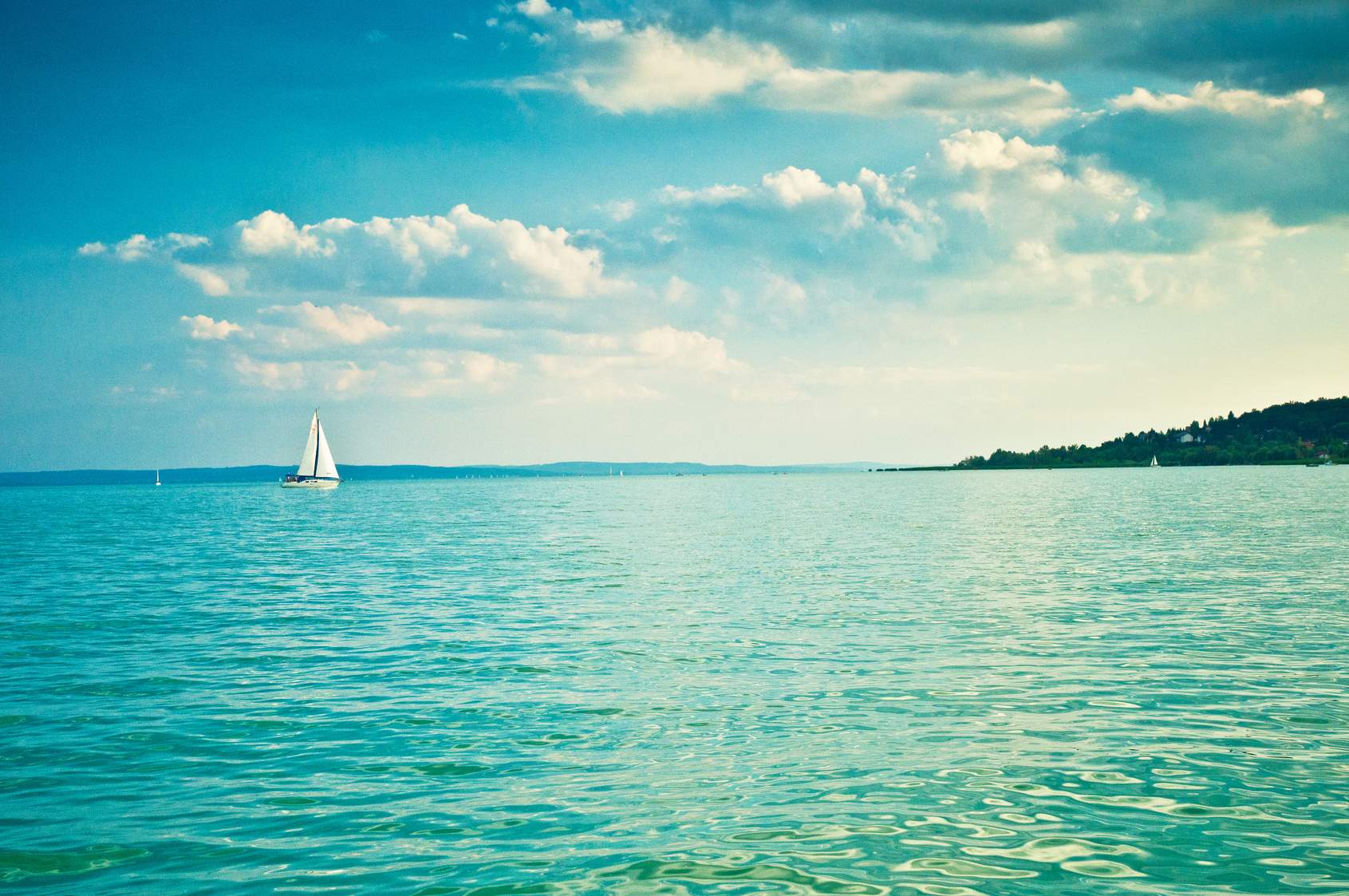
Balaton Uplands National Park offers many unique natural sights for green travelers. Beside water sport possibilities of Lake Balaton several beautiful natural features, trekking paths, guided hiking tours, special cave tours and interesting programs connected to nature show the green side of Hungary.
The rocky ridge of Szentbékkálla where millstones were cut and carved for hundreds of years, are geological values famous throughout Europe. The most beautiful one in the Balaton Uplands National Park has survived almost intact until the present day. Theodora – Kékkő educational track leads us among the stone creatures and supplies information about the area. The area is accessible on foot from the center of village.
Hegyestű (Needle Hill) Geological Interpretive Site at Monoszló is an exhibition about the history of the quarry and the use of basalt, million years old rock types of Transdanubia (the Western half of Hungary). We can walk in the basin of the volcanic crater where several basalt cones emerge from while from the top of the Needle Hill a breathtaking view of Lake Balaton and the Balaton Uplands unfolds before us.
The basalt-mountains of the area are not only unique and picturesque geological relics, but they are also the habitat of many rare plants and animals. At the edges of the Szent György Hill, which from a distance resemble coffins, typical formations of solidifying basalt, the so-called basalt organs can be seen. The 4 km track is accessible on foot and without entrance ticket.
In the beautiful forest of the national park hides a strictly protected Csodabogyós (miracle berry) Cave whose name comes from the evergreen shrub, miracle berry, found at the entrance of the cave. Certain branches of the cave have been opened to the public and the tours among spectacular dripstones are conducted by skilled tour guides.
Program opportunities:
-Balaton Uplands:
Accommodation:
Boutique Pansion in Káli Basin for 2 nights
Day 11 – ‘Small’ Balaton, Hévíz
The Kis-Balaton (‘Small’ Balaton) as a huge wetland habitat is unique in Europe. The areas of favourable foraging and nesting conditions have increased by flooding of the Kis-Balaton Water Reservoir therefore still thousands of migrating birds arrive to have a rest or to spend the winter here. In addition to 250 species of birds identified so far, several other rare animals and plants can be found here.
Kányavári Island is the only area in the Kis-Balaton that can be visited freely all year round without a guide. From the two lookout towers an amazing view into the teeming world of the wetlands unfolds us. Walking on the 1,5km long so called Great Crested Grebe Educational Trail information boards show the birdlife of Kis-Balaton.
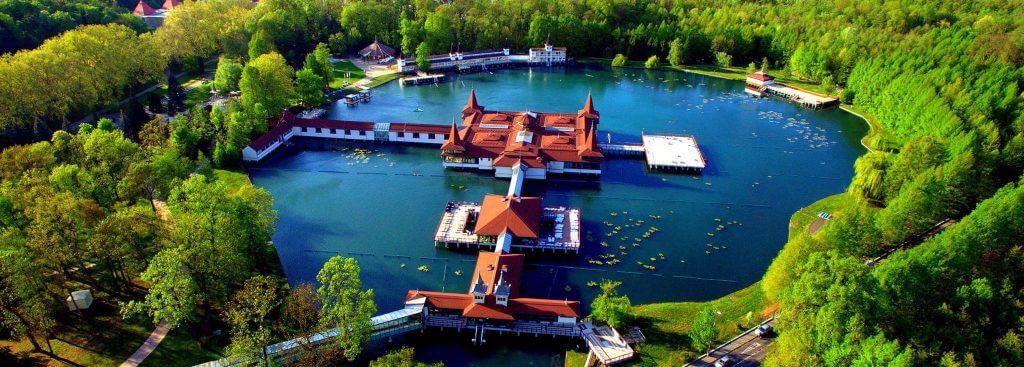
Hévíz Thermal Lake is the largest biologically active, natural healing lake in the world. Its temperature is the result of a mixture of cold and hot spring water rising from the depths of the earth. The spa is now more than 200 years old and offers relaxation and medical treatments around the year. The water and mud treatments are particularly good for those suffering from bone and joint conditions.
Program opportunities:
-Kis-Balaton:
-Hévíz:
Accommodation:
Four-star hotel next to thermal lake
OPTION “A “
Day 12 – Villány Wine Region
Villány area is famous not only as a wine region but also as a very colourful land of cultures, habits, traditions of Swabians, Sokacs, Hungarians from Drávaszög and Croats. The built heritages of the historic landscape, the hilly land, the thermal water, the oldest Marian Shrine, fine artworks, and many wines await tourists to immerse in the specialties of the land. The most popular town is Villány, which is deservedly famous in the world for its red wines, winemakers, cellars, and events.
The unique natural and cultural-historical values of the highly protected Szársomlyó can be explored during the guided tour what starts from Sculpture Park and takes cca 3hrs and 5km.
Butcher’s Broom Educational Path starts from Basilica of Máriagyűd and can be walked following the walkers’ path marked with a yellow stripe up to the hill and then back on the paths marked with a yellow cross or red stripe to Máriagyűd.
Program opportunities:
-Villány region:
Accommodation:
Four-star hotel in Villany
Day 13 – Gemenc Forest
Specially protected area is located in Gemenc region near River Danube and it offers several programs for green travelers. The Ecotourism Centre arranges services such as bike renting, canoe tours in Gemenc Forest and on distributaries of the Danube, forest hikes on foot, horse carriage and guided tours.
Gemenc Forest Railway, the only floodplain forest railway in Hungary, leaves from Pörböly Ecotourism Centre and its track follows the riverbeds of Danube and Sió in the Gemenc Forest while we can admire the unique flora and fauna. At the stops educational trails and rest places await hikers.
Forgó Lake educational trail starts from the Gemenc-Dunapart station and leads to the lake where more footbridges built over the water to let us look in the life of the area. Several waterfowls, deers, warthogs take rest or quench their thirst here. The trails built in the area reach floodplain, forest, old backwater, reeds, cubic pits, floodplain meadows areas on foot to teach visitors about forestry and wildlife management, river regulation works, floodplain fishing, protected flora and fauna of the swampy landscape and the reintroduction of beavers.
Walking along the garden history study trail of Karapancsa Castle and Farm Stead shows the history of the neo-baroque ornamental garden, while the Forestry and Hunting History Exhibition gives information about the former princely hunts and life and about the forestry, game management and fishing activities. The forest can be discovered on foot, with bike or with tally-ho carriage.
Program opportunities:
-Gemenc:
Accommodation:
Four-star hotel in the edge of city centre in Budapest
Day 14 – Danube Bend
Esztergom is one of the oldest towns in Hungary. The former capital of the country became the center of the Hungarian Catholic Church in the 11th century. The Esztergom Basilica, the fifth biggest cathedral in Europe with the religious treasury and the Castle Museum can be visited as well as the cellar system beneath the Basilica, where wine lovers can feel the history while tasting fine wines. From the Castle Hill an amazing panorama into Danube Bend and Slovakia unfolds us.
The 13th-century citadel looms over Visegrád atop a 333m-high hill. The Citadel had a multifunctional role: it was protecting the valley of River Danube, it was controlling the main commercial route between Buda and Esztergom, also served as a custom’s house. The real highlight is simply walking along the ramparts of this eyrie and admiring the breathtaking view over the Danube Bend. Visegrád used to be the seat of medieval Hungarian kings, so it offers a chance to discover fortresses that are breathtaking even as ruins. The beautifully restored Royal Palace offers a great experience.
Szentendre is a charming little town with baroque buildings built on medieval ruins. It is also known as the Artists’ Village or the Painters’ Town. Taking a walk in the historical centre through the cobblestoned narrow streets and getting a glimpse of the lovely old houses and shops, are just the perfect closure of a day. And if you are getting hungry after the long walk, do not miss to taste Lángos, the famous Hungarian flatbread, or enjoy a delicious cake at Szamos confectionery.
After the Danube Bend program the visitors will travel home.
Program opportunities:
-Esztergom:
-Visegrád:
-Szentendre:
OPTION “B “
Day 12 – Írottkő Naturpark
Írottkő Naturpark is named after the 882-meter-high Írottkő peak on the Austro-Hungarian border. The lookout tower on the hilltop is located in the territory of two countries at the same time, and can be visited from both Hungary and Austria. From the top also the former line of the „Iron Curtain” can be seen, which is signed by a newly grown willow line.
One of the several trekking routes, the National Blue Tour route leads to the top from the village of Velem. The peak is reachable with follow the sign of the blue stripe on the forest path and pass the St. Vid Chapel first and then Hörmann Spring.
Program opportunities:
-Naturpark:
-Austria:
Accommodation :
Four-star hotel in Sopron for 2 nights
Day 13 – Lake Neusiedl / Fertő Lake
Lake Neusiedl is one of the few steppe lakes in Europe, and it lies in the territory of both Austria and Hungary. The landscape deserved the recording with its folk architecture, monuments, archeological monuments of successive civilizations, viticulture and wine culture, and diverse flora and fauna. A non-governmental organization was established to represent the interests of the World Heritage Site, with the participation of the affected Hungarian settlements.
The area offers not only natural, but also cultural sights which are reachable with bike as well. Bike rental is available in the hotel and one direct bike road takes to Fertő Lake and to small villages in Austria.
Program opportunities:
-Sopron:
-Fertő Lake:
-Austria:
Day 14 – Travel to home
After check out from the hotel, the guests return to Liszt Ferenc International Airport for departure.
For a specific offer, please contact our inbound department.







Sunscribe to our newsletters to stay updated!
Oh no...This form doesn't exist. Head back to the manage forms page and select a different form.